Quality Pace Roofing for Re-Roofing
The Definitive Guide to Roof Maintenance: Insights From Roofing Specialists
Roof maintenance is often overlooked yet vital for preserving a home's integrity. Failing to maintain your roof can cause severe complications, including moisture damage and compromised structural integrity. This resource delivers valuable knowledge sourced from professional roofing specialists. It explores evaluation procedures, typical concerns, and year-round upkeep approaches. Property owners will discover actionable tips for self-directed upkeep and recognize when expert assistance is necessary. Understanding these elements can prevent costly repairs, but what specific steps should be taken first?
Appreciating the Importance of Maintaining Your Roof
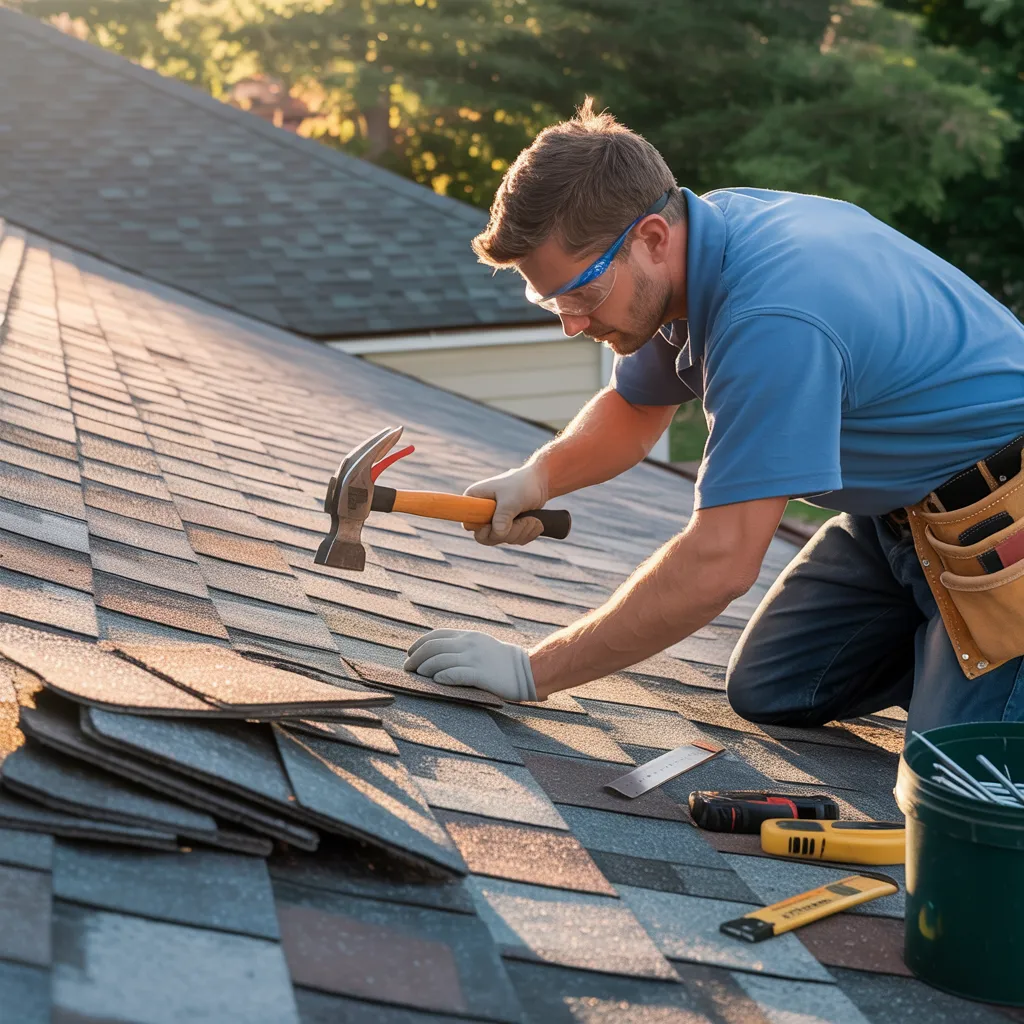
Frequently underestimated, the importance of roof maintenance should not be underestimated. A regularly maintained roof plays an essential role in protecting a home from weather-related damage, preserving the structural integrity of the property and extending its service life. Routine upkeep makes it possible to spot potential issues prior to them becoming costly repairs, protecting both the property and those living in it.
Neglecting roof care can lead to leaks, mold growth, and weakened insulation, ultimately impacting energy efficiency and indoor air quality. Additionally, a deteriorating roof can reduce property value, making it harder to sell in the future. Regular inspections and prompt repairs can reduce these potential problems, providing homeowners with peace of mind.
Important Roof Examination Pointers for Residential Property Owners
Regular roof inspections are essential for maintaining the integrity of a home. Homeowners are advised to perform inspections a minimum of twice annually, preferably in spring and fall, to evaluate their roof's state. It is critical to check for debris accumulation, which can trap moisture and promote mold growth. Additionally, homeowners should look for damaged or missing shingles, as these can lead to leaks.
Employing binoculars from below makes it easier to detect underlying concerns without having to mount the roof. Checking gutters for blockages is equally essential, as obstructed gutters can result in water overflow that deteriorates roofing materials. Taking note of excessive granule deterioration on shingles is an equally important consideration, as it could signal deterioration. Finally, residents should keep track of their discoveries for ongoing reference, ensuring they stay informed about their roof's health and resolve any concerns in a timely manner.
Identifying Common Roofing Problems
Recognizing typical roofing issues is essential for maintaining the integrity of a home. Property owners should remain watchful for signs of leaks and water damage, as well as absent or deteriorating shingles, which can diminish the roof's protective capability. Moreover, the development of moss and algae accumulation can indicate underlying issues that need to be addressed promptly.
Water Leaks and Damage
How can homeowners successfully detect leaks and water damage before they turn into significant concerns? Consistent inspections are critical. Homeowners are advised to examine water stains on ceilings and walls, as they commonly signal underlying leaks. Additionally, damp spots in the attic or around vents can signal moisture intrusion. It's crucial to examine the roof during and after heavy rain, looking for pooling water or dripping. Homeowners should also inspect gutters and downspouts, ensuring they are clear to avoid overflow. Throughout the home, musty scents can be a sign of mold formation, which is a byproduct of long-term moisture exposure. By addressing these signs promptly, homeowners can prevent costly repairs and maintain the integrity of their roofs. Regular maintenance is essential for long-term protection.
Missing or Damaged Shingles
Water damage can often learn here be linked to absent or deteriorated shingles, which undermine the roof's protective covering. Homeowners are advised to routinely examine their roofs for signs of shingle deterioration, such as curling, cracking, or loss of granules. Such problems may result from wear over time, extreme weather conditions, or incorrect installation. Should shingles be missing, the base material is left unprotected, heightening the potential for water infiltration and further harm. It is recommended to tackle these concerns as soon as possible to copyright the roof's protective function. Replacement shingles should match the existing ones to secure a uniform appearance and reliable protection. Consistent maintenance, including gutter cleaning and debris removal, can also aid in preventing shingle wear and maximizing the roof's longevity.
Moss and Algae Development
Moss and algae growth can silently undermine a roof's integrity, resulting in considerable damage if not addressed promptly. Such organisms tend to grow in wet, shaded conditions and can trap moisture against roofing materials. With time, this process can cause wood rot, compromised shingles, and water infiltration. Homeowners should regularly inspect their roofs, especially in shaded regions, to identify early signs of growth. Taking preventive steps, like pruning overhanging branches and providing sufficient roof ventilation, can lower the risk of moss and algae growth. For existing growth, specialized cleaning solutions or professional services may be necessary to restore the roof's condition. Dealing with moss and algae without delay supports the roof's durability and contributes to the home's long-term value.
Seasonal Roof Care Tips
As the seasons change, homeowners must prioritize roof care to guarantee lasting performance and reliability. As spring arrives, it is important to check for winter storm damage and clean up debris that has built up. This encompasses checking gutters and downspouts to verify that drainage is functioning correctly.
The summer season introduces extreme temperatures, so inspecting for cracks and evaluating ventilation is vital to prevent heat buildup. As autumn arrives, property owners need to get ready for leaf fall by washing out gutters and looking for any likely clogs.
In conclusion, the winter season demands a comprehensive check for ice dams and verifying that insulation levels are enough to minimize heat loss. Routine inspections year-round will assist in detecting problems sooner, reducing the risk of significant repair expenses. By implementing these seasonal recommendations, property owners can preserve the structural soundness of their roofing and prolong their durability.
DIY Roof Care: Safety Practices and Essential Tools
Caring for a roof can be a worthwhile DIY endeavor when undertaken with the right tools and safety measures. Residents should first outfit themselves with necessary gear, including a reliable ladder, non-slip shoes, and a safety harness. This ensures stability and minimizes the likelihood of falls while working at heights.
Before undertaking any repair work, a thorough inspection is important. This includes checking for displaced shingles, debris accumulation, and any evidence of damage. Items such as a roof rake, gentle-bristle brush, and caulk gun are beneficial for removing debris and filling gaps.
Additionally, having a helper nearby can enhance personal safety; one person can focus on the task while the other monitors for hazards. As a final point, it is important to keep track of weather conditions, steering clear of roof work during storms or strong gusts. By sticking to these recommended safety steps, homeowners can effectively maintain their roofs while minimizing risks.
Indicators That You Should Hire a Professional Roofer?
How does a homeowner know when it is time to hire a professional roofer? There are a number of signs that suggest professional expertise is needed. To begin with, noticeable damage including missing shingles, leaks, or sagging sections can undermine the roof's structural integrity. Homeowners should likewise pay attention to water stains appearing on ceilings or walls, which may indicate more serious underlying concerns. Additionally, if the roof is older than 20 years, it may be time for a thorough evaluation by a professional.
Another critical indicator is the development of moss or mold formations, which can result in additional deterioration if not treated. Ultimately, if a homeowner feels uncertain about safely conducting repairs or does not have the required equipment, hiring a professional is the best course of action. Identifying these indicators promptly can stop additional damage and high-cost repairs down the line, guaranteeing the roof's long-term durability and the security of the household.
Budgeting for Roof Maintenance and Repairs
Proper budget management for roof maintenance and repairs is vital for homeowners seeking to preserve their investment. Allocating a dedicated percentage of a home's value annually—typically 1-3%—can create a reliable fund for unexpected issues. Regular inspections can help identify minor problems early, often preventing costly repairs later. Property owners should take seasonal conditions into account, since specific climates may demand more regular upkeep.
Moreover, compiling a structured list of anticipated repair work enables efficient budget distribution. It's wise to secure a number of quotes from qualified roofing specialists to learn about current pricing for a range of repair work. It is also important to consider the overall age of their roofing system; older roofs may need more frequent attention. To conclude, establishing an emergency fund for immediate repairs makes certain that roofing problems can be handled in a timely manner, stopping further deterioration and protecting the overall structure of the home. Careful financial management can significantly lower stress levels and enhance a homeowner's peace of mind.
Frequently Asked Questions
How Often Should I Schedule Professional Roof Inspections?
Experts suggest arranging regular roof evaluations no fewer than twice per year, with spring and fall being the optimal seasons. This preventative strategy allows for early detection of possible problems, keeping the roof in optimal shape while extending its overall longevity.
Which Materials Work Best for Roof Repairs?
Asphalt shingles, metal sheets, and rubber membranes are considered the best materials for roof repairs. All of these options provide durability and weather resistance, providing reliable restoration and extended longevity, according to the specific roofing demands and surrounding environmental factors.
Am I Able to Paint My Roof?
Yes, roofs can be painted, but it's crucial to use the right paint compatible with the material. Proper surface preparation and following the manufacturer's instructions provide durability and effectiveness in preserving the roof's integrity.
In What Ways Do Weather Conditions Impact Roof Maintenance?
Weather plays a significant role in roof upkeep. Excessive rain can cause leaks, while intense sun may degrade materials. Snow accumulation poses structural risks, requiring routine inspections and prompt repairs to ensure the roof's durability and performance.
What Types of Warranties Are Offered for Roofing Materials?
Multiple warranty types for roofing materials encompass manufacturer warranties, which typically cover manufacturing defects, and labor warranties, confirming quality installation. Coverage and duration depend on material selection, generally extending from 20 years up to a lifetime, depending on specific conditions.